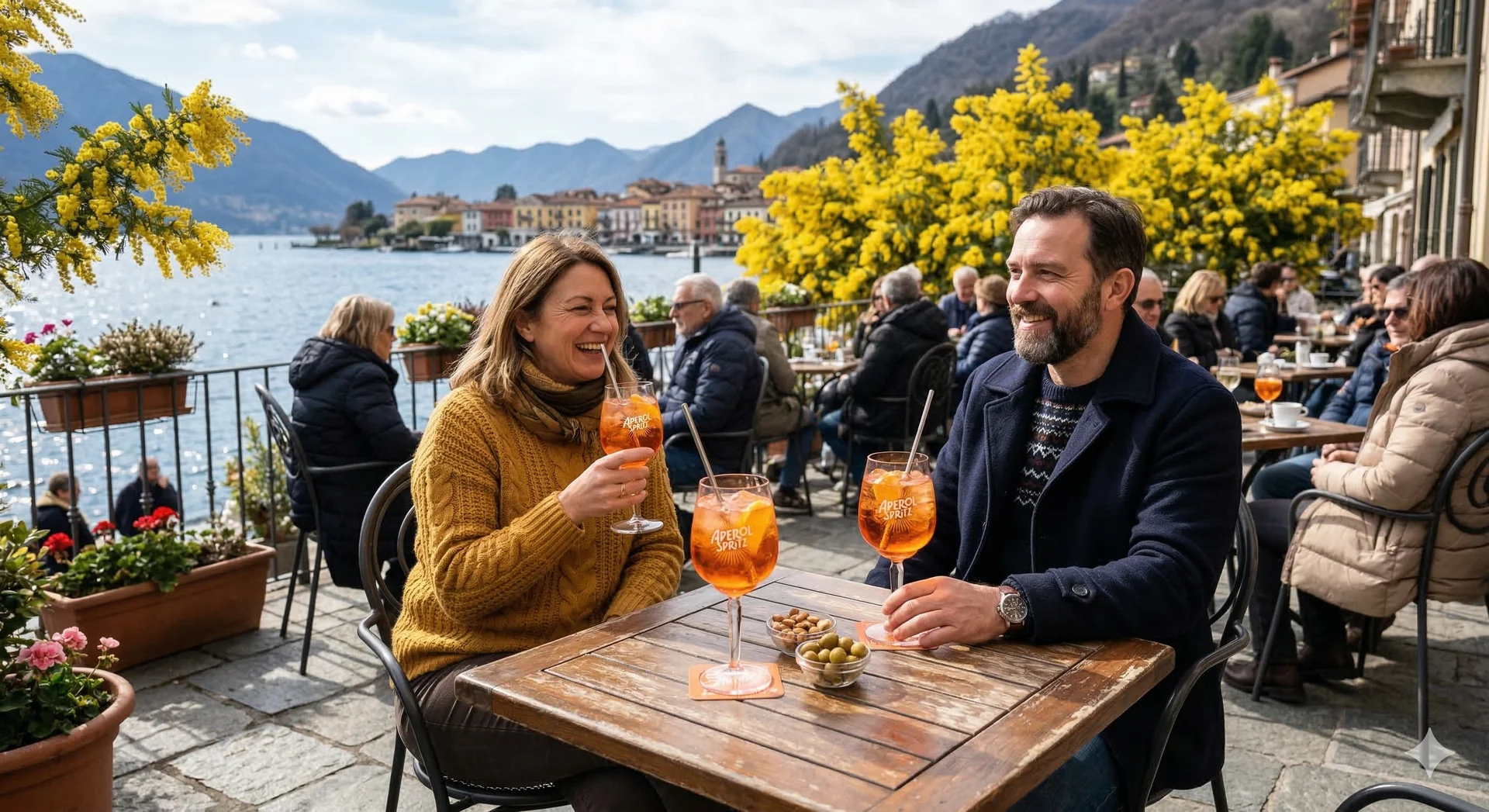
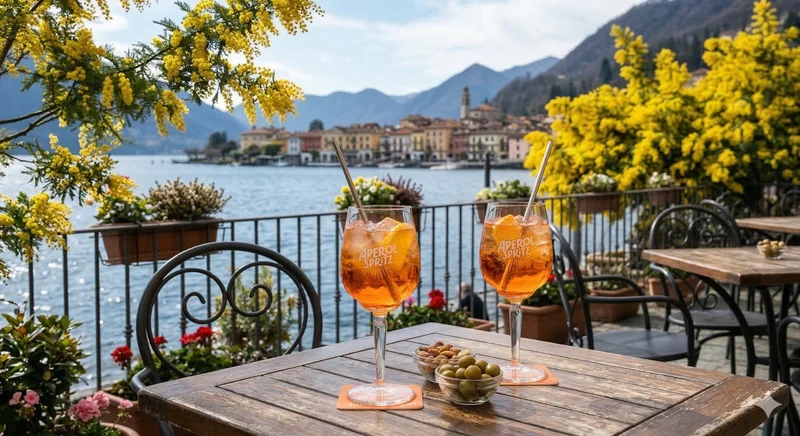
It starts with a colour. Above Cannobio, the hillsides seem to change overnight, bright with the first yellow of mimosa. The acacia is in bloom, with whole slopes draped in golden clusters and a honeyed sweetness drifting down to the lakefront. On the morning of 8 March, women walk through town clutching sprigs of it for la Festa della Donna, while bars, shop doorways and market tables carry vases of cheerful pom-poms.
This is how spring announces itself on the Italian lakes, in a sequence that moves from shore to shore. Mimosa comes first, followed by camellias, then wisteria and azaleas, and finally eighty thousand tulips. Time it well and you can follow the blooms from late February through to May, lake to lake, garden to garden, Spritz to Spritz.
February-March: the mimosa coast of Lake Maggiore
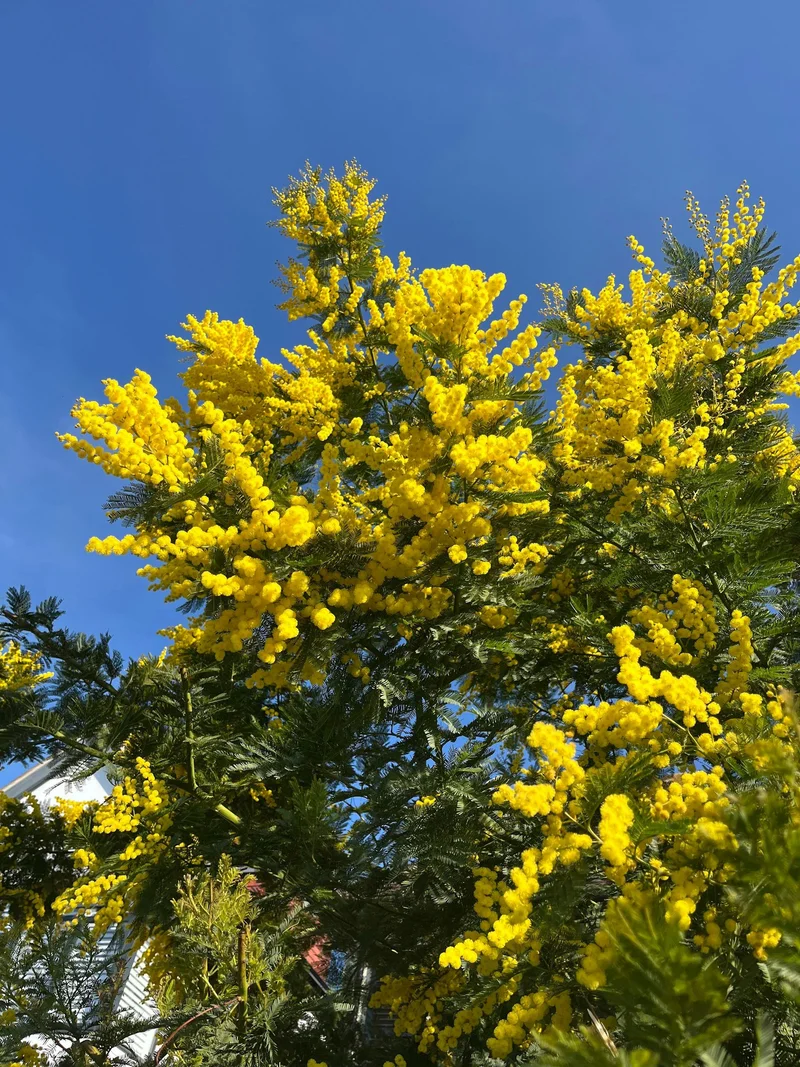
The western shore of Lake Maggiore, from Cannobio south through Ghiffa and Verbania, has a microclimate mild enough for Mediterranean plants at an almost Alpine latitude. Mimosa, the acacia dealbata and technically an Australian immigrant, has settled here with ease. By late February, the trees along the lakefront roads begin to change, and by early March whole patches of hillside glow yellow above the water.
Cannobio is ground zero. The little town on the Swiss border, with its Sunday market and painted palazzo facades, becomes a study in yellow and blue: mimosa against lake, sunlight against stone. Locals snip branches from their garden trees to give on Festa della Donna, the 8th of March, when Italian tradition calls for men to give women sprigs of mimosa as a symbol of strength and solidarity. If you happen to be here for it, the lakes feel lived-in and generous.
Where: Cannobio, Ghiffa, and Verbania, western shore of Lake Maggiore
When: Late February to mid-March (peak first two weeks of March)
Best time: Visit around 8 March for Festa della Donna, the town is full of mimosa and festive energy
Getting there: Cannobio is 25 min north of Verbania by car, or reachable by ferry from Luino and Laveno
Insider tip: The Sunday market in Cannobio (every Sunday morning along the lakefront) is one of Maggiore's finest, combine it with the mimosa walk along the Orrido di Sant'Anna gorge just south of town
March-April: a thousand camellias on two lakes
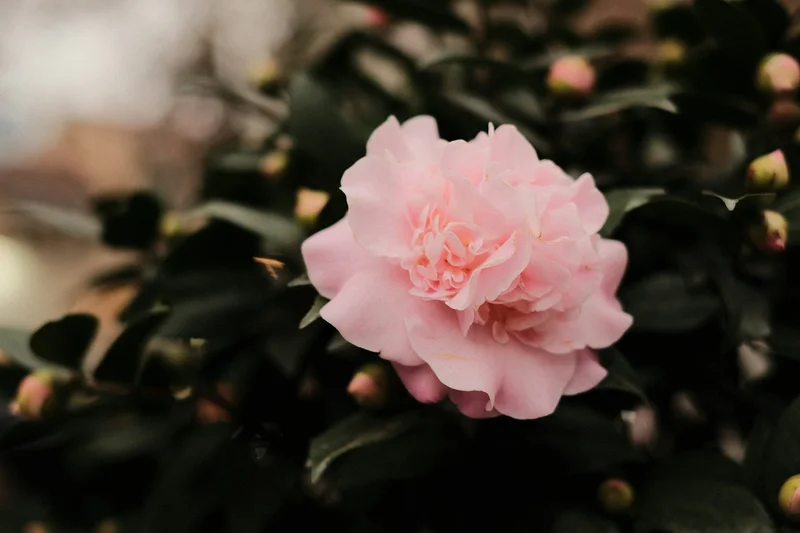
As the mimosa fades, the camellias take over, as they have on these lakes for centuries. The mild, humid climate and acidic soil create conditions that camellia growers elsewhere dream about. Lake Como's Villa Carlotta in Tremezzo has a Camellia Wood with over 250 varieties, including specimens more than 200 years old. In March and early April, the garden paths wind through pink, white, red and striped blooms, each with the porcelain finish that made Japanese emperors covet them.
On the Maggiore side, the trail leads to Locarno, just across the Swiss border, and its Parco delle Camelie. This lakefront park holds 950 varieties of camellia across 10,000 square metres and recently received the International Camellia Society's Garden of Excellence designation. Every March, the Camelie Locarno exhibition fills the park with guided tours, expert talks and a market of rare cultivars. The 2026 edition runs from 18 to 22 March.
Back on Lake Como, the Melzi Gardens at Bellagio offer a more intimate camellia experience: a shaded avenue of ancient specimens leading down to the water's edge, with views across to the Grigne mountains still dusted in snow. Seeing camellias flower against Alpine peaks gives you the lakes in one glance, Mediterranean warmth held against mountain grandeur.
Address: Via Regina 2, Tremezzo (CO)
Blooms: Camellias: March–April. Azaleas and rhododendrons: mid-April–May
Hours: 10:00–18:30 daily (mid-March to mid-October)*
Tickets: €12 adults, €8 reduced (6–17 years)
Website: villacarlotta.it
Insider tip: Visit on a weekday morning in April, the azalea display is staggering and you will have it nearly to yourself
Note: *Opening dates and hours vary annually. Check the website before visiting.
Address: Parco delle Camelie, Via del Parco, Locarno (CH)
Blooms: Camellias February–April; Camelie Locarno exhibition: 18–22 March 2026
Hours: Park: open daily, free access. Exhibition: 09:00–17:00 during event days
Tickets: Park: free. Exhibition: check camelie.ch for pricing
Website: camelie.ch
Getting there: Locarno is 30 min from Verbania by car via the scenic lakefront road, or reachable by Centovalli railway
Insider tip: The Centovalli railway from Domodossola to Locarno is one of Switzerland's most scenic train journeys, make the camellia visit a day trip and take the train
Properties on Lake Maggiore & Lake Como
Discover your dream home on the Italian lakes
April: 80,000 tulips at Villa Taranto
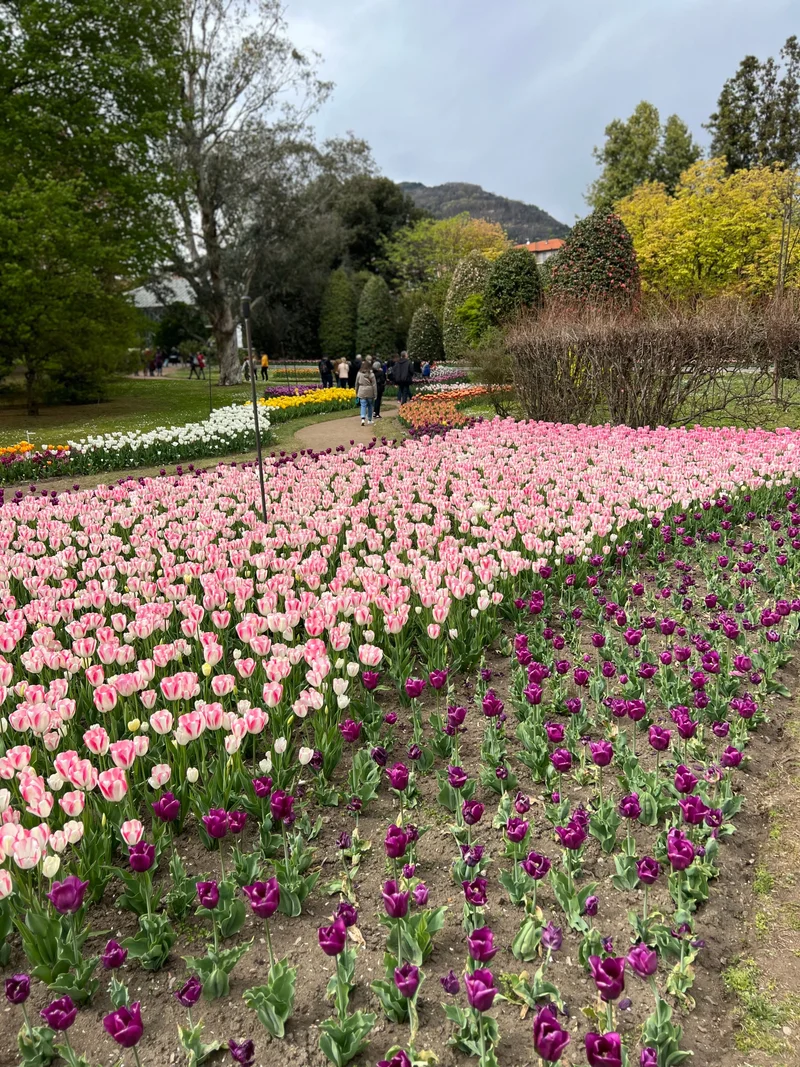
One image catches spring on Lake Maggiore: a labyrinth of tulips stretching towards the lake, eighty thousand blooms in every colour the Dutch bulb growers could dream up, with the snow-topped peaks of the Lepontine Alps behind them. Villa Taranto in Verbania is often called the mini-Keukenhof. The comparison is useful up to a point, although Keukenhof does not have this view.
A Scottish captain, Neil McEacharn, created the botanical gardens after buying the estate in 1931, then spent the next three decades importing over 20,000 plant species from around the world. Today, the Tulip Weeks in the second and third weeks of April are the main draw. The Labirinto dei Tulipani has 65 varieties, from the near-black Queen of Night to the enormous orange Big Chief, reportedly the largest tulip cultivar in existence. Paths wind between colour blocks so vivid they look retouched.
Villa Taranto opened for the 2026 season on 6 March, with full daily hours from 19 March. It remains open through November, but mid-April is the moment to go. Arrive early, before the coaches, and walk the dahlia terraces down to the lake in near-silence.
Address: Via Vittorio Veneto 111, Verbania Pallanza (VB)
Hours: From 19 March: 09:30–18:30 daily (last entry 17:30)*
Tickets: €12 adults, €7 children (6–14), free under 6
Tulip Weeks: Second and third weeks of April (exact dates vary, check website)
Website: villataranto.it
Getting there: Verbania Pallanza is served by ferry from Stresa (20 min), Baveno, and Laveno
Insider tip: Combine with a visit to Isola Bella, the ferry connects Pallanza to the Borromean Islands, and a joint morning of tulips and baroque gardens is a perfect spring day on Maggiore
Note: *2026 season: weekends only from 6 March, daily from 19 March. Verify on official website.
The first Spritz: terrace season returns
Somewhere in March, a waiter unfolds a chair onto the pavement, wipes down a table and sets out a menu holder. The terraces are open. Within an hour, every waterfront bar from Como to Cannobio has followed suit, and the lakes take on their spring look: people in sunglasses, aperitivo glasses catching the light, the water flat and silver in the afternoon sun.
The first Spritz of the season is an event in itself. Italians take the ritual seriously, even though the drink is simple enough: prosecco, Aperol or Select, a splash of soda, an olive if you are on Maggiore, an orange slice if you are on Como. The table matters, as does the angle of the sun and the unhurried pace of it. On Lake Como, the terrace of the Grand Hotel Tremezzo catches the afternoon light, while the piazza bars of Bellagio offer front-row seats to the ferry traffic. On Maggiore, the waterfront at Stresa, looking out to Isola Bella, is the classic choice, but the tiny bars along Cannobio's harbour are where the locals go.
This is the season when the lakes shake off their winter quiet and start to hum again. The ferries add routes. The grand hotels throw open their shutters after months of renovation. Villa d'Este polishes its chandeliers for the spring galas. On every terrace, glasses clink, Italian rises to a pleasurable volume and another year on the lakes begins.
Your spring bloom calendar
Late February to mid-March: mimosa along Lake Maggiore's western shore, including Cannobio, Ghiffa and Verbania. Peak around Festa della Donna, 8 March.
March to April: camellias at Villa Carlotta on Lake Como, Parco delle Camelie Locarno on Lake Maggiore and Melzi Gardens in Bellagio. Camelie Locarno exhibition: 18-22 March 2026.
Early to mid-April: cherry blossoms appear around both lakes, particularly beautiful along the Greenway del Lago di Como from Colonno to Griante.
Mid-April to early May: Tulip Weeks at Villa Taranto in Verbania. Azaleas and rhododendrons come into flower at Villa Carlotta. Wisteria cascades from lakefront pergolas across both lakes.
May: Late azaleas, roses beginning, and the full glory of the Borromean Islands gardens. Terrace season in full swing.